See how patients across ages and conditions improved digestion, energy, sleep, sugar balance, and overall vitality through physician-guided Ayurvedic care.
Diabetes is widely recognized as a chronic metabolic disorder, while Ayurveda describes a related condition called Prameha. Explore the similarities, differences, and Ayurvedic perspective on metabolic health and blood sugar balance.
Cancer is a complex disease influenced by genetics, environment, and metabolism. While carbohydrates and sugar do not “cause” cancer directly, emerging research shows that insulin resistance, obesity, and chronic metabolic imbalance may influence cancer risk and progression.
Cardiovascular disease remains a leading cause of mortality worldwide. While ECG, stress testing, lipid profiles, and cardiac enzymes are essential tools, inflammation also plays a central role in heart disease. High-sensitivity C-reactive protein (hs-CRP) is an established marker of vascular inflammation and may help refine cardiovascular risk assessment.
In Ayurveda, the pulse is viewed as more than a rhythmic beat it is considered a subtle indicator of systemic balance. Known as Nadi Pariksha, this classical assessment method is used to understand doshic patterns and overall physiological trends within a broader clinical evaluation.
Diabetes management requires consistent medical supervision, regular monitoring, and disciplined lifestyle habits. Alongside conventional treatment, integrative programs that include balanced nutrition, structured physical activity, stress regulation, and supervised metabolic support may contribute to improved glycaemic stability.
Diabetes is a long-term metabolic condition that requires ongoing medical supervision and disciplined lifestyle care. Alongside prescribed treatment, structured nutrition, regular physical activity, and evidence-informed natural support strategies may help improve blood sugar stability and overall metabolic resilience.
Type 2 diabetes is a chronic metabolic condition closely linked to lifestyle, diet, and insulin resistance. While medical treatment remains essential, structured lifestyle modification plays a critical role in long-term management.
Cancer is influenced by a complex interplay of genetics, environment, inflammation, and metabolic health. Growing research points to the role of daily habits in shaping long-term wellbeing. Structured routines, balanced nutrition, and metabolic regulation may support preventive health foundations.
Accidents may be sudden, but recovery is a long and layered journey. Even after emergency care and surgery, pain, stiffness, soft tissue damage, and emotional stress can persist.
Psoriasis is a chronic inflammatory skin condition marked by red, scaly plaques and recurring flare-ups. Ayurveda correlates it with Kitibha Kushta, viewing it as a manifestation of systemic imbalance rather than a purely surface disorder.
Chronic sinusitis is more than recurring congestion it is a persistent inflammatory condition that can affect breathing, sleep, and daily comfort. While modern medicine explains it through infection, allergy, and immune dysfunction, Ayurveda correlates similar head disorders such as Surya Varta with underlying doshic imbalance and impaired systemic regulation.
Slow-healing wounds are a serious and often underestimated complication of diabetes, especially in the feet. Reduced circulation, nerve damage, and elevated blood glucose levels can significantly impair the body’s natural repair processes, increasing the risk of infection and long-term complications.
Type 2 diabetes is more than elevated blood sugar it reflects deeper metabolic imbalance that requires consistent medical supervision and long-term lifestyle care. In Ayurveda, this condition is described as Prameha, a disorder linked to impaired digestion, tissue metabolism, and systemic imbalance.
The liver is vital for metabolism, detoxification, and overall systemic balance. Conditions such as fatty liver disease, hepatitis, cirrhosis, and liver cancer require proper medical diagnosis and supervision. Alongside conventional treatment, Ayurveda offers a holistic framework that focuses on improving digestion (Agni), reducing toxin accumulation (Ama), and restoring metabolic harmony.
Recurring gout attacks and rising uric acid levels are often signals of deeper metabolic imbalance not just joint inflammation. While conventional care focuses on symptom control, Ayurveda looks at the root causes: impaired digestion, toxin accumulation (Ama), and disturbed metabolic pathways.
Long before modern pharmaceutical distillation techniques evolved, Ayurveda described a refined method of extracting the subtle, potent essence of herbs through Arka preparation. These classical distillates are known for their fast absorption, enhanced bioavailability, and gentle yet effective therapeutic action.
Recovery doesn’t end when the cast comes off or the stitches are removed. For many accident survivors, the real challenge begins afterward lingering pain, stiffness, restricted movement, and a slow return to normal life. Emergency care stabilizes the body, but true recovery requires restoring strength, flexibility, and confidence in movement.
Muscle inflammation can arise from overuse, injury, autoimmune reactions, or broader systemic imbalances within the body. Rather than viewing inflammation as an isolated muscular issue, Ayurveda sees it as a reflection of deeper systemic disharmony. When aggravated Vata and Pitta disturb the muscle tissue (Mamsa Dhatu), pain, stiffness, swelling, and weakness may follow.
Detoxification is widely discussed in wellness spaces, but what does it mean in clinical practice? This article explores the Ayurvedic concept of ama, the body’s natural detoxification systems, and how structured lifestyle, dietary, and therapeutic interventions may support metabolic and digestive health when applied responsibly.
Explore Panchakarma through a clinical and integrative lens, examining its traditional foundations, emerging research, and its potential supportive role in mental well-being when used responsibly alongside conventional care.
This article explores how Ayurvedic principles when used responsibly and alongside conventional care may support joint health through diet, movement, metabolic regulation, and carefully supervised herbal therapies.
Sexual health is not just about intimacy it reflects cardiovascular function, hormonal balance, stress levels, and overall vitality. Modern research shows that sleep disruption, metabolic imbalance, and chronic stress directly affect libido and performance.
Carbohydrate restriction alone may temporarily lower blood sugar, but it does not fully address the underlying drivers of insulin resistance. Stress, poor sleep, inflammation, sedentary lifestyle, and gut health all significantly influence.
This evidence-informed Ayurvedic perspective explores how targeted herbal support, therapeutic oil applications, and structured rehabilitation can complement conventional care to reduce inflammation, support tissue repair, and promote long-term recovery without relying solely on painkillers.
Intimacy is not just emotional it’s biological. Scientific research shows that poor sleep, chronic stress, inflammation, and reduced blood flow can directly affect libido, hormonal balance, and relationship connection.
Infertility is not simply a matter of age or gender. While assisted reproductive technologies remain essential for many couples, addressing underlying health factors may improve natural conception potential.
Erectile dysfunction (ED) is often considered a sexual health issue, but research shows it may be an early indicator of underlying cardiovascular disease. Penile arteries are smaller than coronary arteries, vascular problems often appear as ED years before a heart attack or stroke.
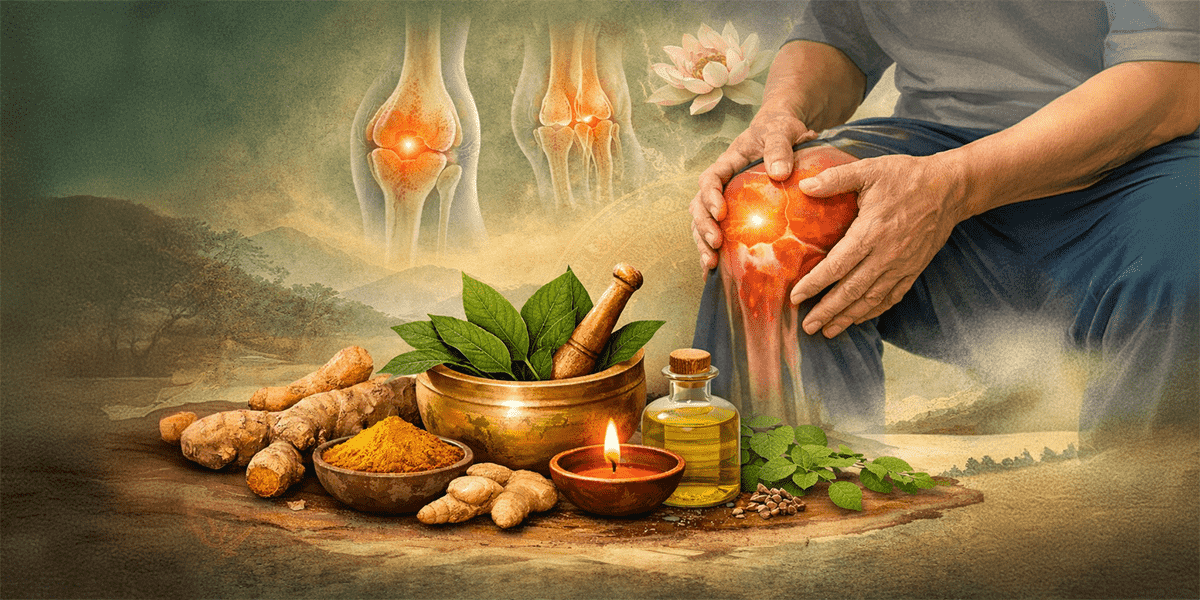
Knee pain is often blamed on ageing, but modern research shows it commonly results from osteoarthritis, inflammation, excess joint load, metabolic factors, or prior injury. While painkillers may provide temporary relief, long-term joint health depends on reducing inflammation, improving muscle support, maintaining healthy weight, and supporting cartilage integrity.
Excess salt does more than raise blood pressure. Long-term high sodium intake can silently affect blood vessel function, increase arterial stiffness, and place additional strain on the heart, even in individuals with “normal” BP readings.
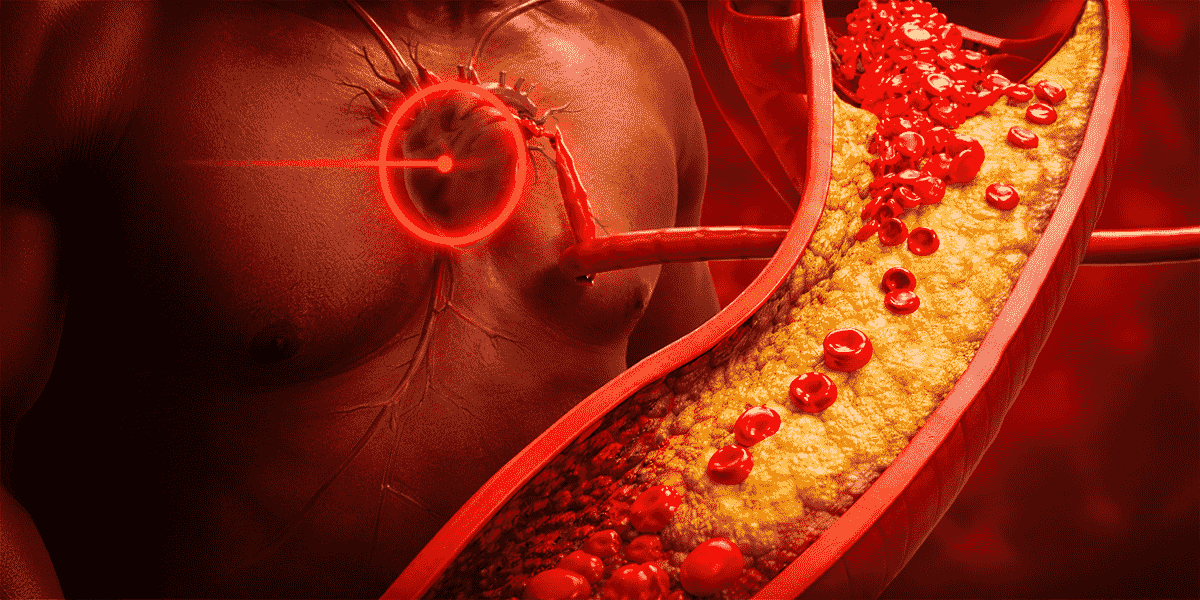
Many heart attacks occur in arteries that were only moderately narrowed, driven not just by cholesterol levels but by inflammation and unstable plaque. Modern research shows that vascular stability, metabolic balance, and inflammatory control are critical components of true heart disease prevention.
Circulatory symptoms in the legs may sometimes reflect broader vascular health. While not every episode of leg discomfort signals serious disease, persistent or progressive symptoms deserve attention.
Heart disease does not affect only those with unhealthy lifestyles. Even individuals who exercise regularly and maintain normal cholesterol levels may carry hidden cardiovascular risk driven by inflammation, genetics, or subclinical plaque buildup.
Cardiovascular disease can progress silently even in physically fit individuals with normal cholesterol levels and reassuring stress tests. Family history, inflammation, and genetic factors such as elevated Lipoprotein(a) may significantly increase risk despite an active lifestyle.
Insulin resistance develops silently for years before blood sugar levels rise. It is strongly associated with type 2 diabetes, fatty liver disease, cardiovascular risk, PCOS, and metabolic dysfunction.
Deep, restorative sleep plays a measurable role in cardiovascular regulation. While sleep does not literally “clean” blood vessels, consistent high-quality sleep contributes to vascular function, metabolic balance, and long-term cardiovascular risk reduction.
Erectile dysfunction (ED) is often one of the earliest measurable signs of vascular and metabolic dysfunction. Recognising ED as a possible metabolic signal allows for earlier evaluation, risk modification, and prevention of long-term complications.
While sugar is not classified as an addictive drug in the same category as alcohol or nicotine, emerging neuroscience shows that highly refined sugars can stimulate brain reward pathways in ways that encourage habitual overconsumption.
Emerging research suggests that gut health may influence cardiovascular risk through inflammation and metabolic signalling pathways such as TMAO production.
While not everyone experiences immediate symptoms, prolonged circadian disruption has been associated with increased cardiometabolic risk. Understanding these effects can help night workers take informed steps to protect long-term health.
Cellular health is shaped by daily habits such as sleep, movement, stress regulation, and metabolic balance. Supporting these foundational rhythms may improve long-term cardiovascular and metabolic resilience.
Cholesterol management is often reduced to diet and medication. However, growing evidence suggests that chronic stress, inflammatory pathways, and hormonal regulation may also influence lipid levels. If your numbers are not improving despite lifestyle changes, it may be time to look deeper.
Arterial calcification develops silently over time and often without symptoms. Emerging research suggests that Vitamin K2 plays a role in calcium regulation within the body, particularly in activating proteins involved in vascular and bone health.
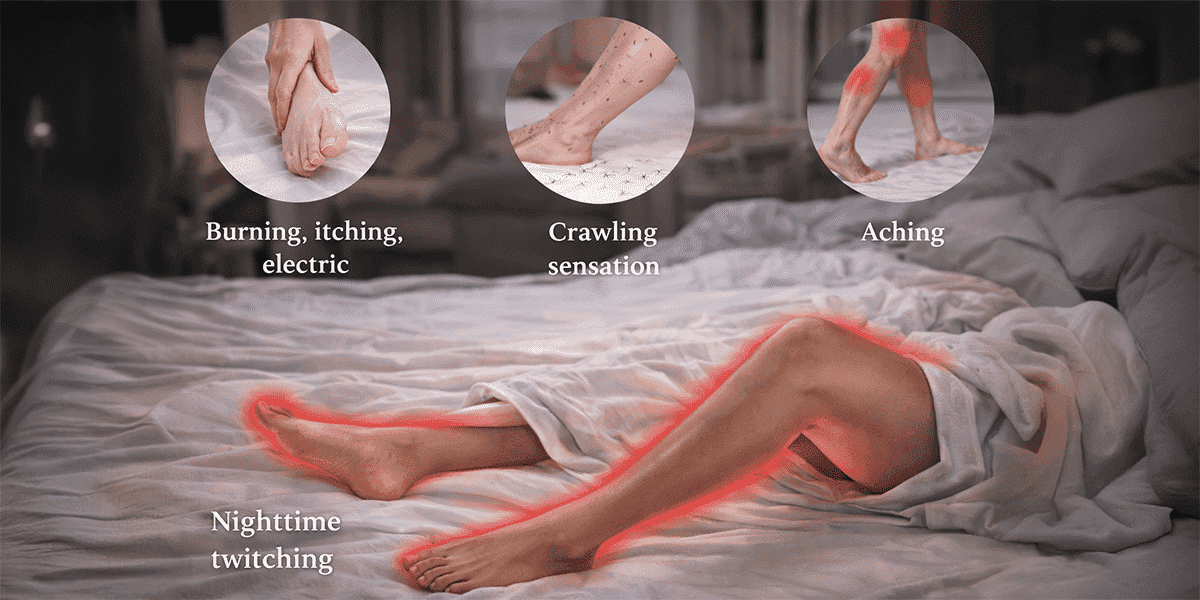
Restless Legs Syndrome (RLS) is associated with fragmented sleep and increased sympathetic nervous system activity. Emerging research suggests possible links between chronic sleep disruption and cardiovascular risk.
While not traditional vitamins, these behavioural factors act as foundational regulators of stress response, immune balance, and physiological resilience. Let's explores the science behind these daily practices and how structured lifestyle rhythms support sustainable well-being.
Misplacing keys, forgetting names, struggling to focus, many people experience these changes earlier than expected. While not a medical diagnosis, “digital overload” describes how excessive screen use, poor sleep, and fragmented attention may affect cognitive performance.
Pain draws attention to the joints, but inflammation does not stop there. In rheumatic disease, the same immune processes that damage connective tissue quietly alter blood vessels and the heart itself. Long before symptoms appear, cardiovascular risk begins to accumulate.
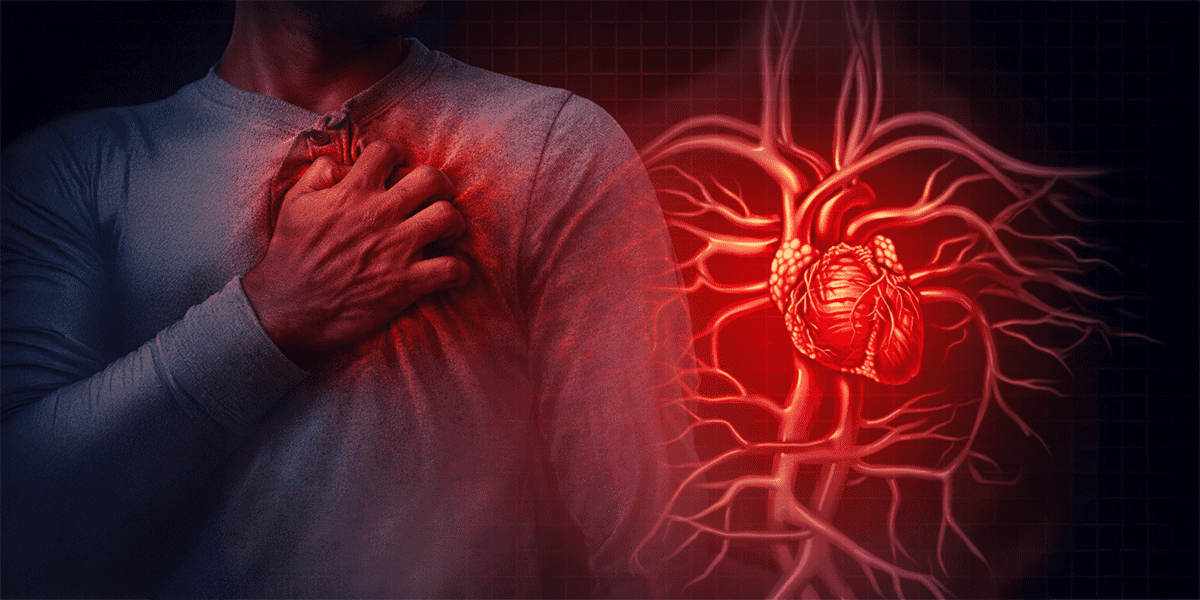
Persistent or unexplained exhaustion may be an early sign of cardiac stress. This article examines fatigue and heart disease through medical research and Ayurvedic physiology.
Most people believe heart disease begins with cholesterol, sugar, or lack of exercise. But a quieter pattern has emerged many heart conditions begin at night.
Discover 5 Ayurvedic habits proven by science to sharpen focus, protect memory & slow brain aging.
Earlier dinner, protein-rich breakfast aligns circadian rhythm, boosts energy, metabolism.