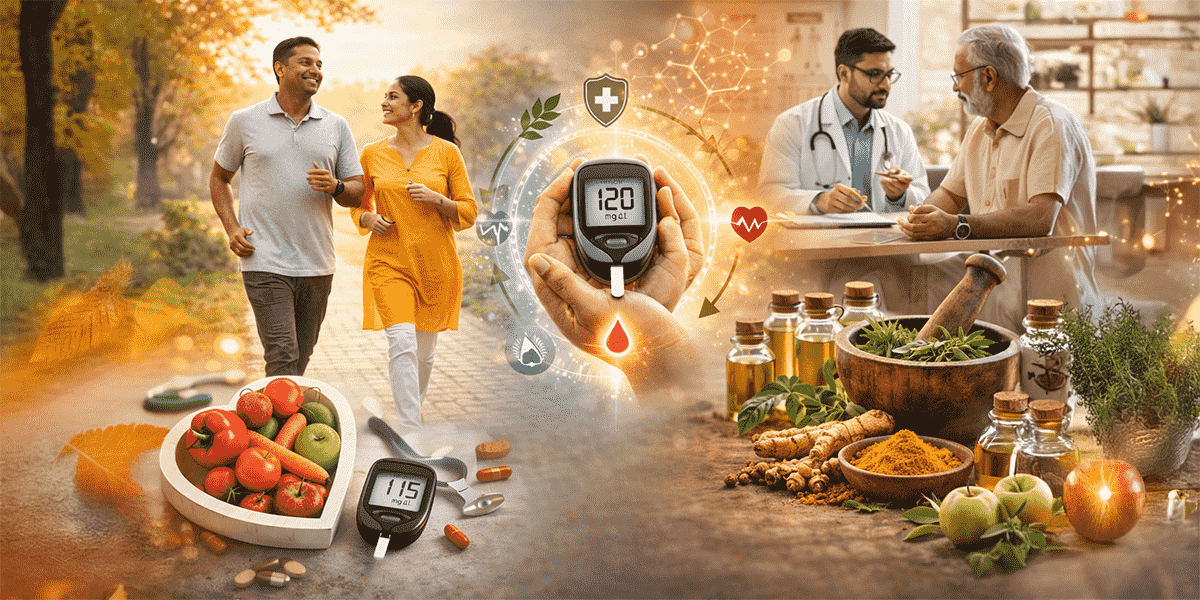
Diabetes mellitus, particularly Type 2 diabetes, is characterized by insulin resistance and impaired glucose regulation. Over time, uncontrolled blood sugar levels can affect the heart, kidneys, nerves, eyes, and blood vessels. Effective management requires regular medical monitoring, appropriate medication when prescribed, and long-term lifestyle modification. While natural remedies are often discussed widely, it is important to understand that they are supportive strategies rather than replacements for medical therapy. Evidence-based care remains central to preventing complications.
Nutritional patterns play a major role in blood sugar regulation. Diets rich in fiber from whole grains, vegetables, legumes, fruits, nuts, and seeds are associated with improved glycaemic control and better insulin sensitivity. Soluble fiber slows carbohydrate absorption and reduces post-meal glucose spikes (American Diabetes Association, 2023).
Reducing intake of refined carbohydrates, sugary beverages, and highly processed foods helps prevent rapid glucose fluctuations. Balanced meals that combine complex carbohydrates with protein and healthy fats promote more stable blood sugar responses. Certain spices such as cinnamon have been studied for potential glucose-lowering effects. Some clinical trials suggest modest improvement in fasting blood glucose with cinnamon supplementation, though results are mixed and dosage standardization remains unclear (Allen et al., 2013). Cinnamon should be used cautiously and not as a substitute for medication.
Regular physical activity enhances insulin sensitivity by increasing glucose uptake into muscle tissue. Even moderate-intensity exercise such as brisk walking for 30 minutes daily can significantly improve metabolic control. Yoga and structured breathing practices may support stress regulation and improve metabolic parameters when combined with conventional care. Exercise recommendations should always be tailored to individual capacity, especially in patients with neuropathy or cardiovascular risk.
Several traditional botanicals have been studied for their potential role in supporting blood sugar control. Fenugreek seeds contain soluble fiber and bioactive compounds that may improve glucose tolerance in some individuals. Small clinical studies have demonstrated modest improvements in glycaemic parameters (Neelakantan et al., 2014). Bitter melon has been traditionally used in various cultures for metabolic disorders. Some studies suggest it may have insulin-mimetic properties, though evidence remains limited and inconsistent. Aloe vera gel has been evaluated in preliminary trials, showing possible reductions in fasting glucose levels. However, long-term safety data and standardized dosing remain areas of ongoing research.
Turmeric, particularly its active compound curcumin, possesses anti-inflammatory properties and has been investigated for its role in improving insulin resistance. Some evidence suggests it may support metabolic health when used as part of a broader lifestyle plan (Panahi et al., 2017). Green tea contains polyphenols that may improve insulin sensitivity and reduce oxidative stress, though its effects are generally mild. These natural supports should be used cautiously and only after consultation with a healthcare provider, especially because herbal supplements may interact with prescribed diabetes medications.
Adequate hydration supports kidney function and overall metabolic processes. While drinking water does not directly “flush out” sugar in a therapeutic sense, maintaining hydration is important in preventing dehydration-related complications in diabetes.
Chronic stress increases cortisol levels, which can elevate blood glucose. Mind–body practices such as meditation, breathing exercises, and structured relaxation may help reduce stress-induced glucose fluctuations. Psychological well-being plays a measurable role in long-term diabetes management.
Maintaining a healthy body weight is strongly associated with improved insulin sensitivity and reduced cardiovascular risk. Sustainable weight management through gradual dietary adjustment and consistent physical activity remains one of the most effective strategies in Type 2 diabetes care. In some individuals, structured lifestyle intervention can significantly improve metabolic markers under medical supervision.
Individuals with long-standing diabetes may develop neuropathy. Adequate intake of B vitamins, particularly B12, is important, especially in those taking metformin, as deficiency can worsen nerve symptoms. Supplementation should be guided by laboratory testing and medical advice. Bilberry extract contains antioxidants that may support vascular health, though clinical evidence in diabetes management remains limited.
Natural strategies can support metabolic health when used responsibly. However, diabetes is a chronic condition that requires structured monitoring, laboratory testing, and medical oversight. Abrupt discontinuation of prescribed medication in favor of herbal remedies can lead to dangerous hyperglycaemia. The most effective approach combines medical therapy with dietary balance, regular activity, stress management, adequate sleep, and responsible use of complementary therapies. Long-term consistency, rather than short-term intervention, determines outcomes in diabetes care.
American Diabetes Association (2023). Standards of Medical Care in Diabetes [LINK]
Allen, R.W. et al. (2013). Cinnamon use in type 2 diabetes: An updated systematic review and meta-analysis. [LINK]
Neelakantan, N. et al. (2014). Effect of fenugreek intake on glycemia: A meta-analysis of clinical trials. [LINK]
Panahi, Y. et al. (2017). Curcumin improves glycemic control and lipid profile in type 2 diabetes. [LINK]
This article is intended for educational purposes only and does not constitute medical advice. Diabetes requires regular monitoring and evidence-based treatment. Natural remedies should be used only under professional supervision and should not replace prescribed medications without consultation with a qualified healthcare provider.