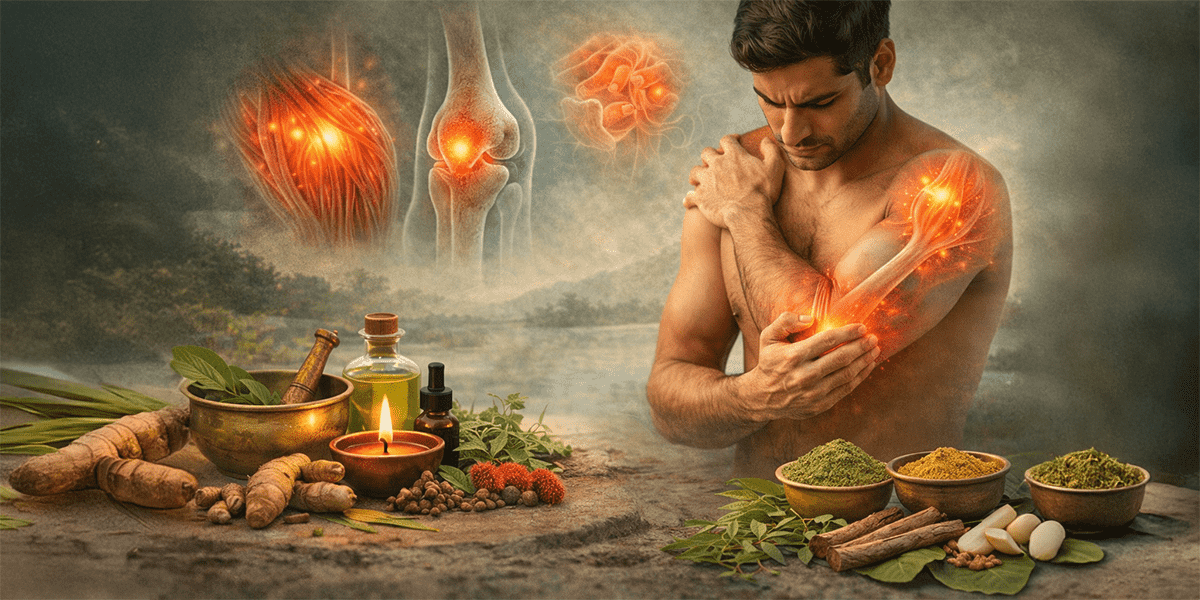
Muscle inflammation refers to irritation, swelling, or immune-mediated activation within muscle tissue. It may arise from acute strain, overuse, trauma, infection, medication reactions, or autoimmune disorders. In medical terminology, inflammatory muscle diseases fall under the broader category of myositis, which includes specific autoimmune conditions such as polymyositis and dermatomyositis (Dalakas, 2015).
Common symptoms include muscle pain, tenderness, swelling, weakness, fatigue, and reduced range of motion. In autoimmune inflammatory myopathies, progressive weakness particularly in the proximal muscles may occur and requires prompt rheumatological evaluation. Difficulty climbing stairs, rising from a seated position, or swallowing can be warning signs of systemic involvement.
Inflammation itself is a protective biological response involving immune cells, cytokines, and vascular signalling. When appropriately regulated, it supports tissue repair. However, chronic or dysregulated inflammation may contribute to ongoing tissue damage and functional impairment (Medzhitov, 2008). Effective management depends on identifying the underlying cause. Conventional approaches may include rest, physiotherapy, non-steroidal anti-inflammatory drugs (NSAIDs), corticosteroids in autoimmune cases, and targeted treatment of any underlying systemic disease.
In Ayurvedic theory, inflammatory states are commonly associated with aggravation of Pitta dosha, which governs metabolic transformation and heat. Classical descriptions of excess Pitta include redness, warmth, swelling, and burning sensations features that parallel observable inflammatory signs. Ayurveda also describes ama as a byproduct of impaired digestion and metabolic inefficiency. Rather than representing a specific chemical toxin, ama can be interpreted in contemporary terms as a metaphor for incomplete metabolic processing and inflammatory burden. While Ayurvedic terminology differs from biomedical language, modern research similarly recognises that systemic inflammation, metabolic dysregulation, and immune signalling influence musculoskeletal health (Hotamisligil, 2017).
Muscle inflammation may arise from mechanical overuse, autoimmune disease, infection, metabolic dysfunction, or medication-related reactions. Obesity and insulin resistance are associated with chronic low-grade inflammatory states that can impair tissue recovery and increase pain sensitivity. Because the causes vary significantly, accurate diagnosis is essential before initiating therapy. Persistent weakness, unexplained fatigue, difficulty swallowing, or systemic symptoms such as fever or weight loss warrant specialist medical evaluation and laboratory assessment.
Certain botanicals traditionally used in Ayurveda have been studied for anti-inflammatory and musculoskeletal effects. Turmeric (Curcuma longa) contains curcumin, which has demonstrated anti-inflammatory properties in clinical and mechanistic studies and may support musculoskeletal health when used appropriately (Hewlings & Kalman, 2017). Boswellia serrata has shown benefit in reducing inflammatory markers and pain in osteoarthritis trials, suggesting potential support for inflammatory musculoskeletal conditions (Sengupta et al., 2008).
Ashwagandha (Withania somnifera) has been studied for its adaptogenic and anti-inflammatory properties. In a randomized controlled trial involving resistance-trained adults, supplementation was associated with improvements in muscle strength and recovery parameters (Wankhede et al., 2015). While this study did not focus specifically on inflammatory myositis, it suggests potential supportive benefits for muscle performance. These botanicals are pharmacologically active compounds. They may interact with anticoagulants, corticosteroids, immunosuppressants, or other medications and should only be used under professional supervision.
External oil therapies such as Abhyanga are traditionally described as supporting circulation and neuromuscular relaxation. Broader massage research demonstrates reductions in stress-related biomarkers and improvements in parasympathetic activity following repeated massage sessions (Rapaport et al., 2010). Improved autonomic balance may indirectly support recovery by reducing stress-mediated inflammatory signalling.
Heat-based therapies can improve blood flow and temporarily reduce muscle stiffness. However, in acute inflammatory states with pronounced swelling or suspected autoimmune myositis, aggressive heat therapy may not be appropriate and should be guided by clinical judgement.
Panchakarma refers to a structured system of traditional Ayurvedic purification procedures. In modern clinical settings, these programs are individualised and typically include preparatory oil applications, sweating therapies, dietary regulation, and selected interventions under supervision.
A pilot study examining a Panchakarma-based intervention in healthy adults reported measurable changes in metabolic markers following the program (Peterson et al., 2016). While this study did not specifically examine inflammatory myopathies, it suggests that structured Ayurvedic lifestyle programs may influence measurable physiological pathways. However, high-quality large-scale clinical trials remain limited.
Intensive cleansing procedures are not appropriate for all individuals. Patients with autoimmune myositis, significant weakness, malnutrition, or systemic illness require careful medical screening before undergoing elimination-based therapies. Panchakarma should therefore be considered a traditional therapeutic framework rather than a universal treatment for inflammation.
Dietary composition significantly influences systemic inflammation. Diets rich in vegetables, whole foods, healthy fats, and adequate protein intake are associated with improved inflammatory balance and muscle repair (Calder, 2017). Stable blood glucose regulation and sufficient micronutrient intake are essential for tissue recovery.
Ayurveda similarly emphasises easily digestible meals, balanced use of spices, and avoidance of heavily processed foods. Hydration, sleep quality, and stress regulation further influence inflammatory signalling pathways.
During acute injury, rest is appropriate. However, prolonged inactivity can contribute to stiffness and delayed recovery. Graduated physiotherapy and structured mobility exercises improve circulation, muscle strength, and functional capacity. Yoga-based stretching practices have demonstrated benefits in flexibility, stress reduction, and quality-of-life measures in musculoskeletal populations (Cramer et al., 2013). Individuals with inflammatory myopathies should follow supervised rehabilitation protocols to avoid exacerbation.
Muscle inflammation should not be self-diagnosed or self-treated. Persistent weakness, systemic symptoms, or unexplained inflammatory markers require medical evaluation and appropriate laboratory testing. Ayurvedic therapies may offer supportive benefits when integrated responsibly with conventional care. The primary goals remain reduction of inflammatory burden, support of metabolic function, enhancement of circulation, and facilitation of tissue recovery. Long-term improvement depends less on short-term cleansing interventions and more on sustained lifestyle regulation, appropriate rehabilitation, and evidence-based medical care.
Dalakas, M.C. (2015). Inflammatory muscle diseases [LINK]
Medzhitov, R. (2008). Origin and physiological roles of inflammation. [LINK]
Hotamisligil, G.S. (2017). Inflammation, metaflammation and immunometabolic disorders. [LINK]
Hewlings, S.J. & Kalman, D.S. (2017). Curcumin: A review of its effects on human health. [LINK]
Sengupta, K. et al. (2008). A double blind, randomized, placebo controlled study of Boswellia serrata extract in osteoarthritis. [LINK]
Wankhede, S. et al. (2015). Examining the effect of Withania somnifera supplementation on muscle strength and recovery. [LINK]
Rapaport, M.H. et al. (2010). Effects of repeated massage on stress hormones and immune function. [LINK]
Cramer, H. et al. (2013). Yoga for low back pain: A systematic review and meta-analysis. [LINK]
Peterson, C.T. et al. (2016). Identification of altered metabolomic profiles following a Panchakarma-based intervention. [LINK]
Calder, P.C. (2017). Omega-3 fatty acids and inflammatory processes: From molecules to man. [LINK]
This article is intended for educational purposes only and does not constitute medical advice. Persistent muscle pain, weakness, or inflammation requires proper clinical evaluation. Ayurvedic therapies should be undertaken under qualified supervision and should not replace evidence-based medical treatment, particularly in autoimmune or systemic inflammatory conditions.