Ayurvedic care that supports liver recovery at the root, not just symptoms. Early intervention supports better recovery outcomes, delayed care often leads to longer healing timelines.
In Ayurveda, jaundice is called Kamala—a disorder of aggravated Pitta that vitiates Rakta dhatu (blood) and burdens the Yakrit (liver). When digestive fire (Agni) weakens, Ama (metabolic toxins) accumulates. Vitiated Pitta mixes with Ama and obstructs Pitta-vah srotas (bile channels), leading to the classic yellow discoloration of skin, eyes and urine, fatigue, low appetite, and digestive upset.
.png)
Every person is different. We begin with Pulse Diagnosis (Nadi Pariksha) and a detailed health history to understand your constitution and current imbalance. Your plan may include:
All recommendations are made by qualified Ayurvedic physicians and adjusted to your tolerance and preferences.
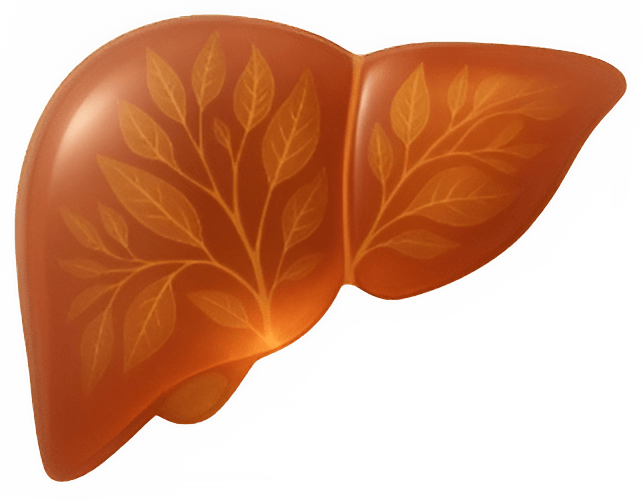
When followed consistently, many people report:
(Experiences vary by individual constitution, age, and lifestyle. Please continue medical monitoring with your physician.)
Clear, honest answers about how our Ayurvedic care works in real life.
Yes. Ayurveda addresses jaundice (Kamala) by cooling aggravated Pitta, supporting bile flow, clearing ama, and strengthening digestion with Arka medicines, classical herbs, diet, and lifestyle.
Medicines are personalised. Commonly used herbs include Katuki, Bhringraj, Kalmegh, Guduchi, and Punarnava, often as Arka. Your physician decides the right combination after pulse diagnosis.
It pacifies Pitta, promotes bile flow, clears ama, and rebuilds digestive strength. Care typically combines Arka medicines, selected herbs, Panchakarma (where suitable), and a Pitta-pacifying diet & routine.
This information is educational and not a substitute for medical advice. Please consult your physician for personalized care.