Numbness, tingling, burning neuropathy is often the body’s signal of deeper nerve and circulation imbalance. If neuropathy symptoms keep progressing, your nerves may need nourishment not suppression.
In Ayurveda, peripheral neuropathy is primarily understood as a Vata disorder, since Vata governs nerve function, sensation, and movement. When Vata becomes aggravated often alongside Pitta imbalance (inflammation/heat) and Kapha imbalance (circulatory stagnation) nerve communication and blood flow may become disrupted. This can result in symptoms such as tingling, numbness, burning sensation, weakness, and reduced coordination. Over time, the build-up of Ama (metabolic toxins) may further block the body’s subtle nerve channels (srotas), worsening nerve sensitivity and slowing recovery. Ayurvedic care focuses on calming disturbed Vata, clearing Ama, improving circulation, and nourishing nerve tissues to support long-term nerve health and functional stability.

Every individual is different. Care begins with Pulse Diagnosis (Nadi Pariksha) and a detailed evaluation of digestion, circulation, nerve function, lifestyle, and medical history. We identify the underlying Vata imbalance (often with Pitta/Kapha involvement), toxin load (Ama), and contributing factors such as diabetes, deficiencies, inflammation, or nerve compression. Your personalised plan may include:
All recommendations are made by qualified Ayurvedic physicians and adjusted to your tolerance and preferences.
When followed consistently, many people report:
(Experiences vary by individual constitution, age, and lifestyle. Please continue medical monitoring with your physician.)
Clear, honest answers about how our Ayurvedic care works in real life.
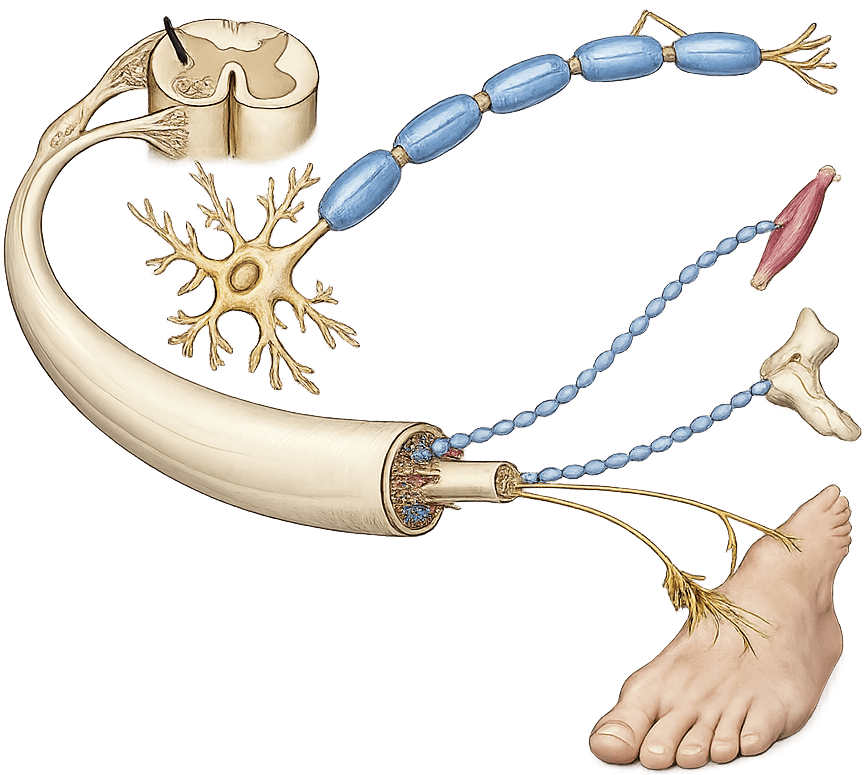
Peripheral neuropathy is nerve damage that affects sensation, movement, and coordination, often causing pain, numbness, and weakness.
Common causes include diabetes, vitamin deficiencies, autoimmune disorders, toxins, trauma, and chronic alcohol use.
Ayurvedic care may include Panchakarma detox therapies, herbal formulations, dietary correction, lifestyle modification, and Rasayana rejuvenation.
This information is educational and not a substitute for medical advice. Please consult your physician for personalized care.