Parkinson’s Disease (Kampavata)

Parkinson’s affects movement, balance, and daily function. This program focuses on supporting nervous system stability, mobility, and quality of life through physician-guided Ayurvedic care.

  • 156‑years Ayurvedic lineage
  • In‑clinic & online consultations  
  • Personalised treatment plan
  • Support your recovery naturally
Check if this approach is right for me ?

Ayurvedic View of Parkinson’s Disease

In Ayurveda, Parkinson’s closely correlates with Kampavata, a disorder caused primarily by aggravation of Vata dosha, which governs movement, nerve impulses, and motor control. When Vata becomes deranged, normal nerve communication is disrupted, leading to tremors (kampa), rigidity, and impaired movement. Weak Agni (digestive fire), oxidative stress, ageing, and mental strain contribute to the accumulation of Ama (metabolic toxins), which obstruct the body’s channels (Nadis) and further impair nourishment of nerve tissues. Ayurvedic care focuses on pacifying Vata, clearing Ama, nourishing the nervous system, and supporting long-term functional stability.
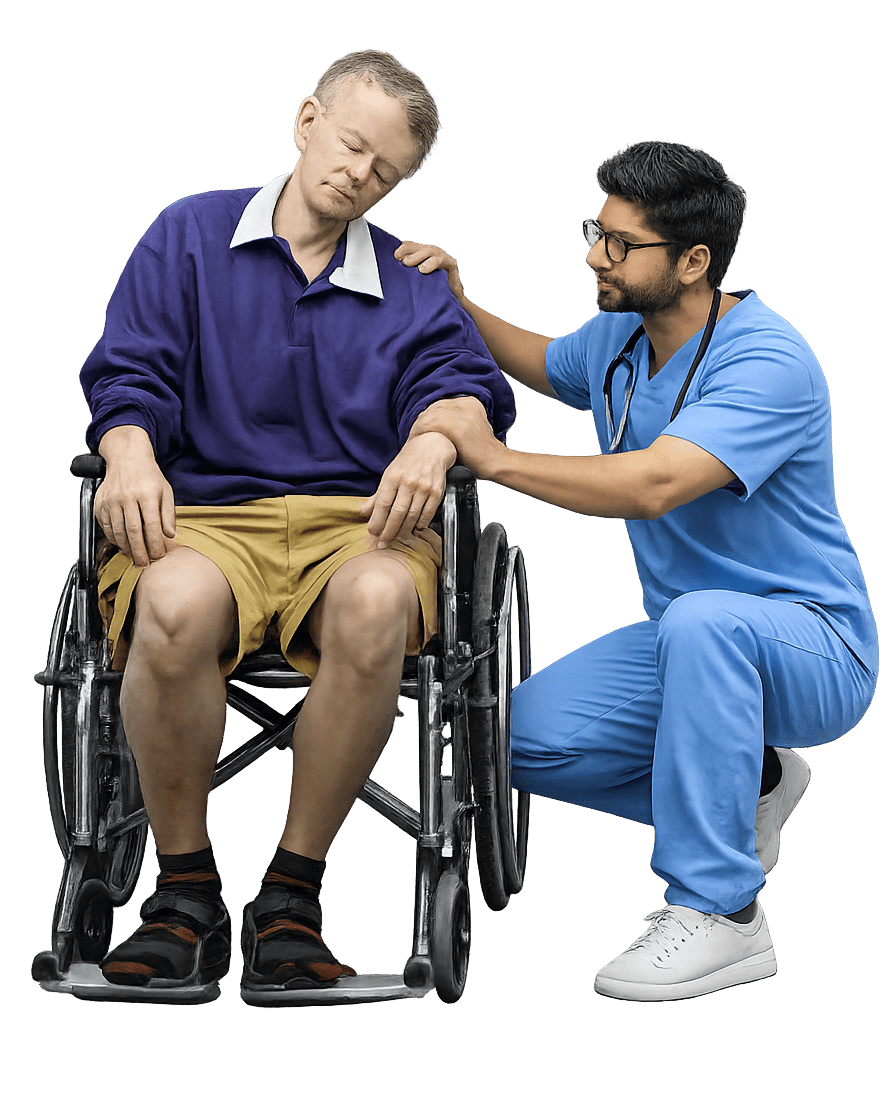
Physiotherapist assisting a patient with Parkinson’s disease during mobility rehabilitation and movement support.

• Physician-Guided Ayurvedic Treatment for Parkinson's Disease

How we help?

We begin with Pulse Diagnosis (Nadi Pariksha) and a detailed review of symptom progression, mobility, stiffness, tremors, lifestyle factors, and neurological involvement. Care is designed to work alongside ongoing neurological management. Your personalised plan may include:

  • Arka Medicines Traditional Arka (distilled herbal extracts) prescribed after physician assessment to support nervous system regulation, circulation, muscle relaxation, digestion, and long-term tolerance. These light formulations are chosen for better absorption and suitability in chronic neurological conditions.
  • Classical herbal blends Physician-selected herbs such as Mucuna Pruriens (Kapikachhu), Ashwagandha, Brahmi, Guduchi, and Shankhapushpi, traditionally used to support motor function, nerve strength, cognitive stability, immunity, and stress resilience based on individual stage and tolerance.
  • Detox support Physician-guided therapies to help pacify aggravated Vata, reduce stiffness, and support neuromuscular balance. This may include Abhyanga, Shirodhara, Sarvanga Dhara, Basti, and Nasya, selected carefully to support circulation, coordination, sleep quality, and overall neurological stability.
  • Diet & lifestyle guidance Nutrient-dense, anti-inflammatory dietary guidance to support nerve health and energy balance, along with daily routines to improve coordination, flexibility, sleep quality, and mental clarity.

All recommendations are made by qualified Ayurvedic physicians and adjusted to your tolerance and preferences.
Your simple 4-step journey

  1. Book a consultation (online or in-clinic)
  2. Assessment & pulse diagnosis review reports and plan formulation
  3. Begin your personalised plan Lifestyle correction, diet, herbs, and detox therapies
  4. Sustain & support Follow-ups, monitoring, and long-term care planning
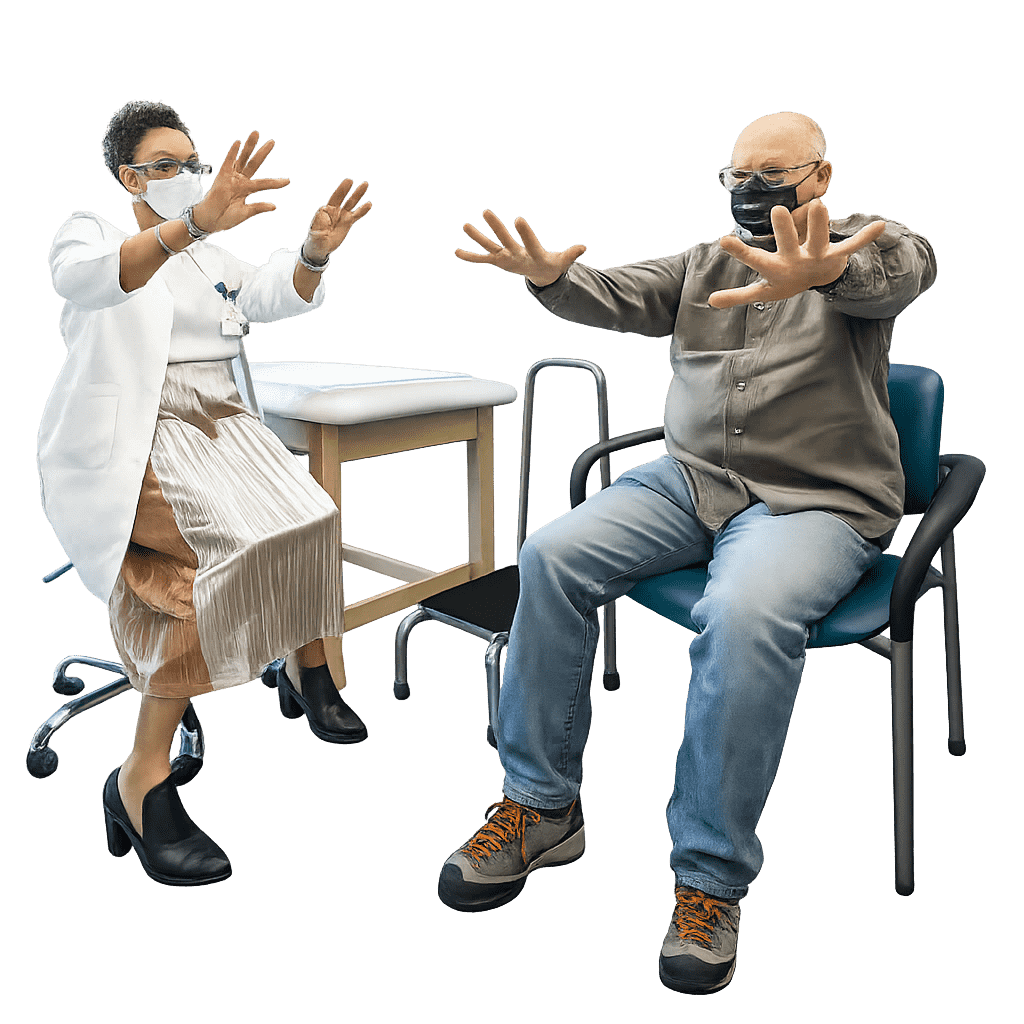
Doctor guiding a patient with Parkinson’s disease through seated coordination and balance exercises during therapy.

What patients commonly experience

When followed consistently, many people report:

  • Reduced stiffness and muscle rigidity
  • Improved coordination and balance
  • Improved stress tolerance, energy levels and mental clarity
  • Better ability to manage daily activities

(Experiences vary by individual constitution, age, and lifestyle. Please continue medical monitoring with your physician.)

Frequently Asked Questions

Clear, honest answers about how our Ayurvedic care works in real life.

Can Ayurveda cure Parkinson’s disease?

Ayurveda does not claim to cure Parkinson’s disease. It aims to support nervous system health, slow functional decline, and improve quality of life alongside medical care.

Is Ayurvedic care safe with modern Parkinson’s treatment?

Yes

How soon will I notice changes?

Some people notice gradual improvements over weeks to months. Timelines vary depending on disease progression and consistency of care.

This information is educational and not a substitute for medical advice. Please consult your physician for personalized care.